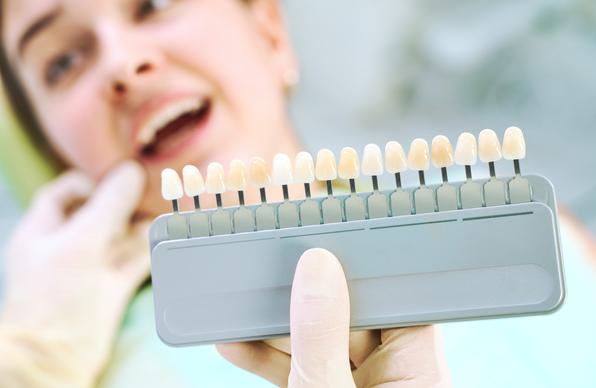
Teeth whitening results last from 6 months to 3 years depending on the method and your habits. Professional in-office whitening holds 1 to 3 years, dentist-made custom trays around 1 to 2 years, whitening strips 4 to 12 months, and whitening toothpaste only maintains rather than creates results. No whitening is permanent: teeth re-stain through the same coffee, tea, wine, tobacco, and aging that discolored them in the first place. The good news is that maintenance habits and periodic touch-ups can roughly double any method's lifespan for minimal cost.
How Long Each Method Lasts
| Method | Typical duration | What extends it |
|---|---|---|
| In-office professional whitening | 1 to 3 years | Touch-up trays, annual strip course |
| Dentist custom take-home trays | 1 to 2 years | Occasional single-day tray sessions |
| Whitening strips (OTC) | 4 to 12 months | A short repeat course 1 to 2 times per year |
| Whitening pens | Days to weeks | Nothing; they are event makeup for teeth |
| Whitening toothpaste | Maintenance only | Continuous use slows re-staining |
| Purple color correctors | Hours | Nothing; purely optical |
Two people getting the identical treatment can see wildly different longevity. A non-smoking water drinker keeps an in-office result bright past year three, while a double-espresso-a-day smoker watches the same treatment fade inside a year. Method sets the ceiling; habits decide where under that ceiling you land. Cost per method is broken down in our professional whitening cost guide.
Why Whitening Fades
Whitening removes existing pigment; it does not seal the tooth against new pigment. Fading happens through three channels:
Re-staining. Chromogenic (color-carrying) molecules from food and drink re-embed in enamel's microscopic pores day after day. This is the dominant factor and the one you control.
Natural aging. Enamel thins gradually over decades, letting more of the naturally yellow dentin underneath show through. Whitening brightens enamel-level color but does not reverse this structural shift, which is why results shorten somewhat with age.
Immediate rebound. The shade measured the day of an in-office session is slightly inflated by dehydration of the teeth during treatment. A small bounce-back over the following week is normal and built into the honest duration numbers above, not a sign your whitening failed.
The Fade Accelerators, Ranked
- Tobacco in any form: the fastest yellower, capable of halving any result's lifespan.
- Coffee and black tea, especially sipped slowly across the whole morning. Frequency of exposure matters more than daily quantity: one quick coffee stains less than the same mug nursed for two hours.
- Red wine: pigment plus acidity, a double stain vector.
- Cola and dark sodas: same double effect.
- Strongly pigmented foods: tomato sauce, soy sauce, balsamic, curry, berries. Real but secondary next to the drinks.
- Acidic drinks in general (citrus juice, sports drinks): they do not stain directly but etch and open enamel, making it easier for everything else to.
- Thin oral hygiene: plaque itself yellows and hosts stains. Twice-daily brushing and flossing is, boringly, whitening maintenance.
The Maintenance Routine That Doubles Your Result
- The straw trick. Iced coffee, iced tea, and soda through a straw bypasses the front teeth almost entirely. The single highest-leverage habit for staining drinks you refuse to give up.
- Water rinse after staining drinks. A ten-second swish after coffee clears most pigment before it settles. Free and nearly as effective as abstinence.
- Wait 30 minutes to brush after acidic or staining drinks, then brush; brushing acid-softened enamel wears it. (The same timing logic as around whitening sessions, detailed in our brushing and whitening strips guide.)
- Whitening toothpaste 2 to 3 times a week, not daily: enough polish to slow surface staining, not enough abrasion to matter.
- Scheduled touch-ups. For in-office and tray patients: a single tray day every few months. For strip users: one short repeat course every 6 to 12 months. Touch-ups on a still-decent shade take days; full re-whitening from scratch takes weeks. If sensitivity has ever been your problem, run touch-ups on the gentle protocol from our sensitive teeth whitening guide.
- Regular cleanings. A professional cleaning twice a year removes tartar and surface stain no home product reaches, and every cleaning visibly refreshes a whitened smile.
Wearing Invisalign? Timing matters even more, because anything you drink with trays in sits against the teeth instead of washing past them. Our Invisalign cleaning guide covers the rules that protect both the trays and the shade underneath.
One caution against overcorrection: re-whitening on a tight loop because the shade "feels" faded leads straight to the overuse pattern covered in are whitening strips bad for your teeth. Photograph your smile in consistent lighting after finishing a course; compare against the photo, not your memory, before deciding a touch-up is due.
When Fading Means Something Else
Even results should fade evenly. See your dentist rather than reaching for more whitener if you notice:
- One tooth darkening alone: possible nerve trouble or an aging restoration, not a whitening problem.
- White spots that appeared with whitening: usually pre-existing hypomineralization made temporarily more visible; a dentist can advise whether they will blend back.
- Gray or banded discoloration returning fast: intrinsic staining that surface whitening was never going to hold; professional options are the realistic route (see the professional whitening cost guide).
- Yellowing alongside receding gums: exposed root surfaces, which never whiten and need their own care plan.
FAQ
How long does teeth whitening last from the dentist?
In-office professional whitening typically lasts 1 to 3 years, the longest of any method, with habits (tobacco, coffee, wine) determining where in that range you land.
How long do whitening strips results last?
4 to 12 months for a full course. A short repeat course once or twice a year maintains the shade indefinitely at minimal cost.
Does teeth whitening last forever?
No method is permanent. Teeth re-stain through diet, tobacco, and natural aging; whitening resets the shade, maintenance defends it.
How can I make teeth whitening last longer?
Straws for staining drinks, a water rinse after coffee and wine, no tobacco, twice-yearly cleanings, and scheduled small touch-ups instead of infrequent full re-whitenings.
Why did my teeth look less white a week after whitening?
A small rebound is normal after in-office treatment: teeth dehydrate slightly during the session and appear extra-bright on day one. The week-one shade is your true result.